Safety Education and Growth in Snowboarding for Teens
- shredbarriers
- 6 days ago
- 4 min read
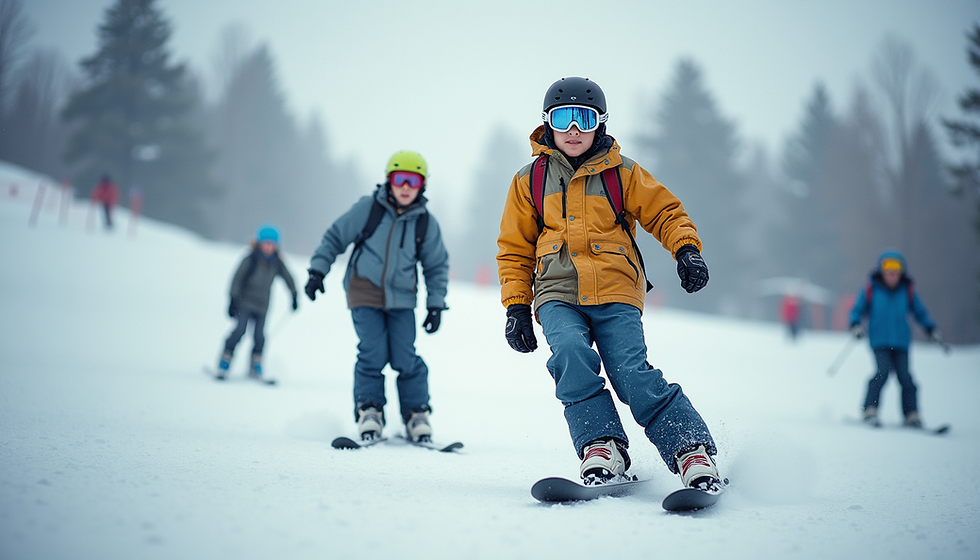
Snowboarding is more than just a thrilling winter sport; it’s an opportunity for teens to develop skills, build confidence, and foster a love for the outdoors. However, with the excitement of carving down slopes comes the responsibility of ensuring safety. This blog post explores the importance of safety education in snowboarding and how it contributes to the overall growth of young snowboarders.

Understanding the Basics of Snowboarding Safety
Before hitting the slopes, it’s crucial for teens to understand the fundamentals of snowboarding safety. This includes knowing the equipment, understanding the terrain, and being aware of weather conditions. Here are some essential safety tips:
Proper Gear
Helmet: Always wear a helmet designed for snow sports. It protects against head injuries and is a must for all snowboarders.
Wrist Guards: These can prevent wrist injuries, which are common among beginners.
Snowboard Boots: Ensure they fit well and provide adequate support.
Layered Clothing: Dress in layers to regulate body temperature and stay dry.
Terrain Awareness
Teens should learn to recognize different types of terrain and their associated risks. For instance:
Beginner Slopes: Ideal for learning basic skills.
Intermediate Runs: Require more control and confidence.
Advanced Terrain: Includes jumps and obstacles, suitable for experienced snowboarders.
Weather Conditions
Weather can change rapidly in mountainous areas. It’s essential to check forecasts and be prepared for conditions such as:
Snowfall: Fresh snow can obscure hazards.
Ice: Hard-packed snow can be slippery and increase the risk of falls.
Visibility: Fog or heavy snowfall can limit sight, making it harder to navigate.
The Role of Education in Snowboarding
Education plays a vital role in ensuring safety and enhancing the snowboarding experience for teens. Here are some ways education can be integrated into snowboarding:
Snowboarding Lessons
Taking lessons from certified instructors is one of the best ways for teens to learn snowboarding safely. Instructors teach not only the techniques but also the importance of safety protocols. Key benefits include:
Structured Learning: Lessons provide a clear progression from beginner to advanced skills.
Safety Protocols: Instructors emphasize the importance of safety measures, such as how to fall correctly and how to navigate slopes.
Workshops and Safety Clinics
Many ski resorts offer workshops focused on safety education. These clinics cover topics such as:
Avalanche Awareness: Understanding the signs of avalanche danger and how to respond.
First Aid: Basic first aid skills can be invaluable in case of an injury.
Environmental Awareness: Teaching teens about the impact of snowboarding on the environment and how to minimize it.
Building Confidence Through Practice
As teens gain skills and knowledge, their confidence grows. This confidence is crucial not only for snowboarding but also for other areas of life. Here’s how practice contributes to growth:
Skill Development
Regular practice helps teens refine their techniques. They learn to:
Control Speed: Understanding how to manage speed is essential for safety.
Make Turns: Mastering turns allows for better navigation on the slopes.
Perform Tricks: As they progress, teens can learn tricks, which boosts their confidence and enjoyment.
Overcoming Challenges
Snowboarding presents various challenges, from mastering a new trick to navigating difficult terrain. Overcoming these challenges teaches resilience and problem-solving skills. Teens learn to:
Face Fears: Tackling fears, such as jumping or riding on steep slopes, builds mental strength.
Set Goals: Setting and achieving personal goals fosters a sense of accomplishment.
The Importance of Community and Support
Snowboarding is often a social activity, and the community plays a significant role in a teen's growth. Here’s how community support enhances the snowboarding experience:
Peer Support
Snowboarding with friends can make the experience more enjoyable and less intimidating. Peers can encourage each other, share tips, and celebrate achievements. This camaraderie fosters:
Teamwork: Working together to improve skills and navigate challenges.
Shared Experiences: Creating lasting memories and friendships.
Parental Involvement
Parents can support their teens by:
Encouraging Participation: Taking an active interest in their snowboarding journey.
Attending Events: Joining in on family snowboarding trips or competitions.
Promoting Safety: Reinforcing safety practices learned in lessons.
The Long-Term Benefits of Snowboarding
Engaging in snowboarding during the teenage years can lead to numerous long-term benefits. These include:
Physical Fitness
Snowboarding is an excellent way to stay active. It improves:
Strength: Core and leg muscles are engaged while snowboarding.
Balance: Maintaining balance on a board enhances overall coordination.
Endurance: Riding for extended periods builds cardiovascular fitness.
Mental Health
The mental health benefits of snowboarding are significant. Teens experience:
Stress Relief: The physical activity and fresh air can reduce stress levels.
Increased Focus: Learning new skills requires concentration, which can translate to better focus in school.
Lifelong Skills
The skills learned through snowboarding extend beyond the slopes. Teens develop:
Discipline: Regular practice requires commitment and discipline.
Goal-Setting: Setting and achieving goals in snowboarding can translate to academic and personal success.
Conclusion
Snowboarding is a thrilling sport that offers teens a chance to grow, learn, and connect with others. By prioritizing safety education, teens can enjoy the slopes while minimizing risks. The skills and confidence gained through snowboarding can have lasting impacts on their lives, promoting physical fitness, mental well-being, and personal growth.
Encourage the teens in your life to embrace snowboarding, ensuring they understand the importance of safety and education. With the right approach, snowboarding can be a fulfilling and enriching experience that lasts a lifetime.

Comments